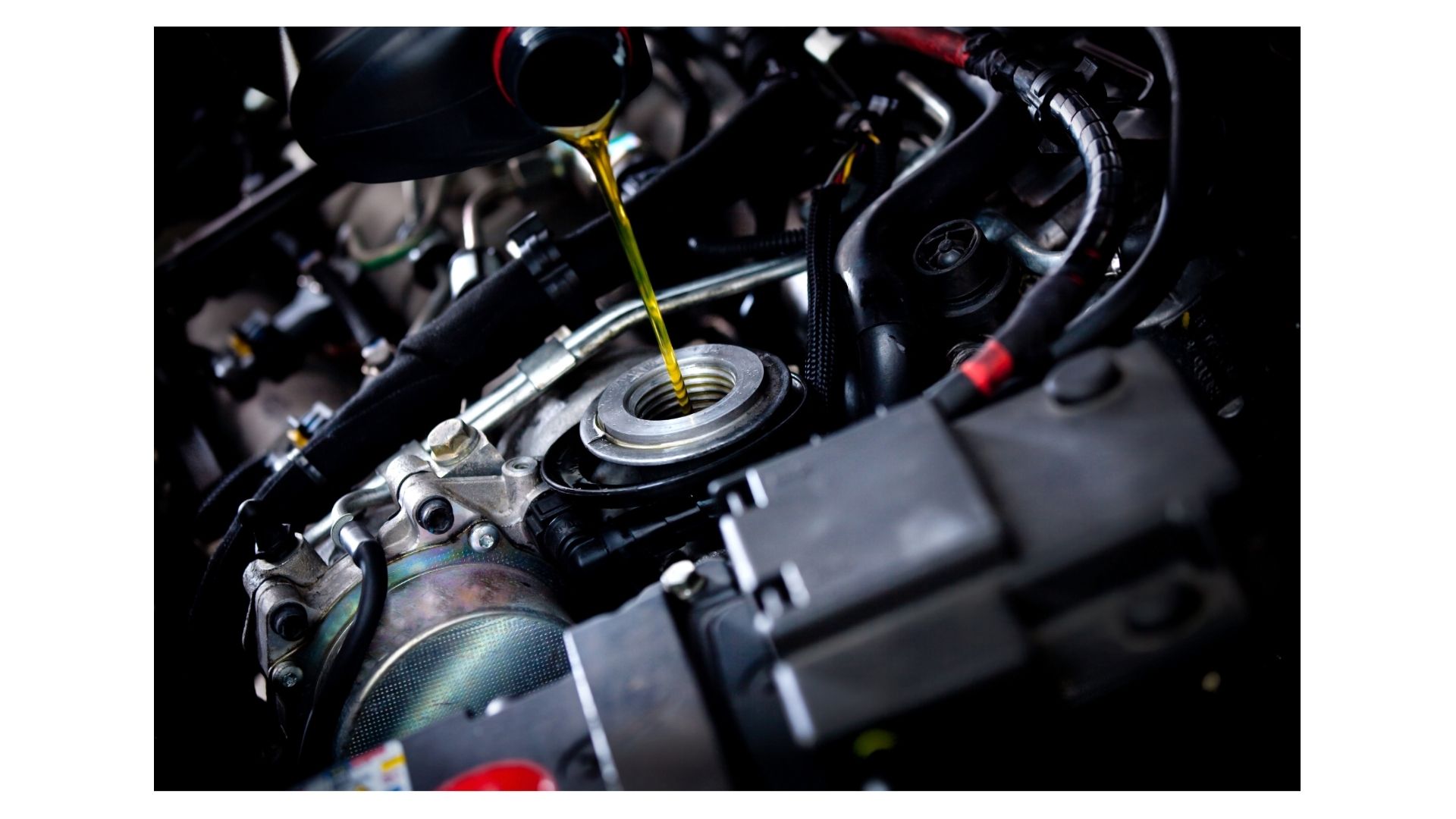
Winter Oil Changes in Libertyville: Does Cold Weather Change Your Schedule?
November 24, 2026

Sometimes, yes. If most of your winter driving is short hops around Libertyville, like the school drop-off, the Metra station, and a run to the grocery store, your car may be on what most owner's manuals call a "severe service" schedule. That usually means a sooner oil change than the number on the window sticker. If you mostly drive longer highway trips that fully warm up the engine, your normal interval probably still holds.
The quick way to know: open your owner's manual, find the maintenance section, and check whether it lists a separate schedule for short trips or extreme cold. If it does and that sounds like your January, plan on the shorter one. And if you're not sure, ask us. That conversation doesn't cost anything.
Oil has three jobs. It keeps moving parts from grinding on each other, it carries heat away, and it holds onto dirt and debris until the filter can catch it. Winter makes all three harder.
Cold starts. When your car sits overnight in a driveway in Libertyville in January, the oil settles into the bottom of the engine and thickens up. For the first few seconds after you start it, that thick oil has to get pushed through narrow passages before everything's fully protected. Those first moments are when the engine is least protected, and winter stretches them out.
Condensation. A cold engine builds up moisture inside. On a long drive, the engine gets hot enough to burn that moisture off. On a five-minute trip it doesn't, so the water stays and mixes into the oil. Over time that can turn into sludge, which is the exact thing oil is supposed to prevent.
Short trips that never warm up. This is the big one. A lot of winter driving around here is a few miles at a time, start and stop, with the engine never reaching full temperature. Our main oil change guide for Libertyville drivers puts it this way: short trips under 10 miles, stop and go traffic, and extreme cold all push you toward the severe service side, and severe service intervals typically run about half the standard interval.
None of this means you need to panic about your oil every time it snows. It just means the "normal" interval assumes driving that a lot of us don't do in winter.
It does, but the right answer for your car is still whatever your manufacturer calls for. That's printed in your owner's manual, and if you can't find it, we can look it up by your VIN.
Synthetic oil flows better when it's cold, which is one reason so many newer engines require it. Older or simpler engines may run fine on conventional or a synthetic blend. We broke down the differences in full synthetic, synthetic blend, or conventional oil, so we won't repeat it all here. The short version for winter: don't switch to something your manual doesn't list just because it's cold out, and don't skip a change because your oil is "the good stuff."
You don't need to log every trip. If two or three of these sound like you between November and March, it's worth talking about a shorter interval:
If you mostly commute on the highway and the engine gets fully warm every day, you're probably closer to the normal schedule, even in winter.
An oil change is a good time to look at the other things winter is hard on, since the car is already in the shop. Here's what we look at during an oil change at Auto Lab, along with fresh oil and a new filter:
If we find something, we'll show you. If it needs attention now, we'll explain why and give you an estimate before we do any work. If it can wait until spring, we'll tell you that too. You can see the rest of what we cover on our maintenance page.
We've been doing oil changes for Libertyville drivers since 1994, at 400 S. Milwaukee Ave. Here's what to expect:
You can find more on our oil change service page, and the full rundown of intervals and add-ons is in our Libertyville oil change guide.
We're open Monday to Friday, 7am to 6pm.
Should I change my oil before winter? If you're close to your next oil change anyway, it's a good idea to get it done before the cold sets in so you start the season with clean oil. If you just had one, you don't need another just because it's November. Keep an eye on your mileage and your driving, and if you're doing a lot of short trips, plan on the next one coming a little sooner.
Does synthetic oil help in the cold? Synthetic oil flows better at low temperatures, which helps protect the engine during cold starts. That said, use what your owner's manual calls for. If your car calls for synthetic, don't swap it for something cheaper in winter. If it calls for conventional, we can talk through whether a different oil is an option for your car.
How do I know if I drive in severe conditions? Check your owner's manual for a separate severe service schedule. Most of them list things like short trips, stop and go traffic, towing, and extreme cold. If most of your winter driving fits that list, follow the shorter interval. If you're not sure, our service advisors can help you figure it out based on how you actually drive.
Is it bad to let my car idle to warm it up? A short warm-up is fine, but long idling doesn't warm the engine up the way driving does, and it adds to the short-trip, low-temperature driving that's hard on oil. Most modern cars are ready to drive gently after a short warm-up. Your owner's manual may have specific guidance for your car.
If your car's due, or you're not sure whether your winter driving puts you on the shorter schedule, bring it by. We'll check what your manual calls for, look over the winter basics while it's in, and tell you straight what it needs and what can wait.